Groww's $9 Billion Debut: India's Retail Broker Bets the Market on Real Profits
Groww swung from a loss to a roughly $206 million annual profit before listing, and Indian investors paid up for it. Its debut is a clear read on where appetite for consumer-tech now sits.
Groww made one of the strongest market debuts among India’s new-age technology companies on November 12, 2025, listing at a premium and closing its first day with a market capitalization of about ₹795 billion, roughly $9 billion. The company, operated by parent Billionbrains Garage Ventures, raised close to ₹66.3 billion (around $748 million) in an offering that was nearly 18 times oversubscribed, according to TechCrunch. The reception mattered for a reason beyond Groww itself: it was the clearest evidence yet that public investors will pay a full price for an Indian consumer-tech company, but only one that has already proven it can make money.
From a heavy loss to a real profit
The number that anchored Groww’s pitch was its turnaround. The company swung from a loss of roughly ₹805 crore in the financial year ended March 2024 to a net profit of about ₹1,824 crore (around $206 million) in FY25, on revenue of roughly ₹39 billion (about $440 million), per TechCrunch’s reporting on the listing. That is not a marginal improvement, and it is the kind of figure that lets a company list on the strength of its income statement rather than a story about future scale.
The contrast with the previous wave of Indian tech listings is the whole point. When companies such as Paytm and Nykaa went public earlier in the cycle, they did so while still posting losses or razor-thin margins, and their shares were punished as investors lost patience with cash burn. Groww arrived already profitable, which removed the single biggest question that had dogged the cohort. It is the gap between those two eras that defines the India IPO boom of 2026.
A valuation that did not flinch
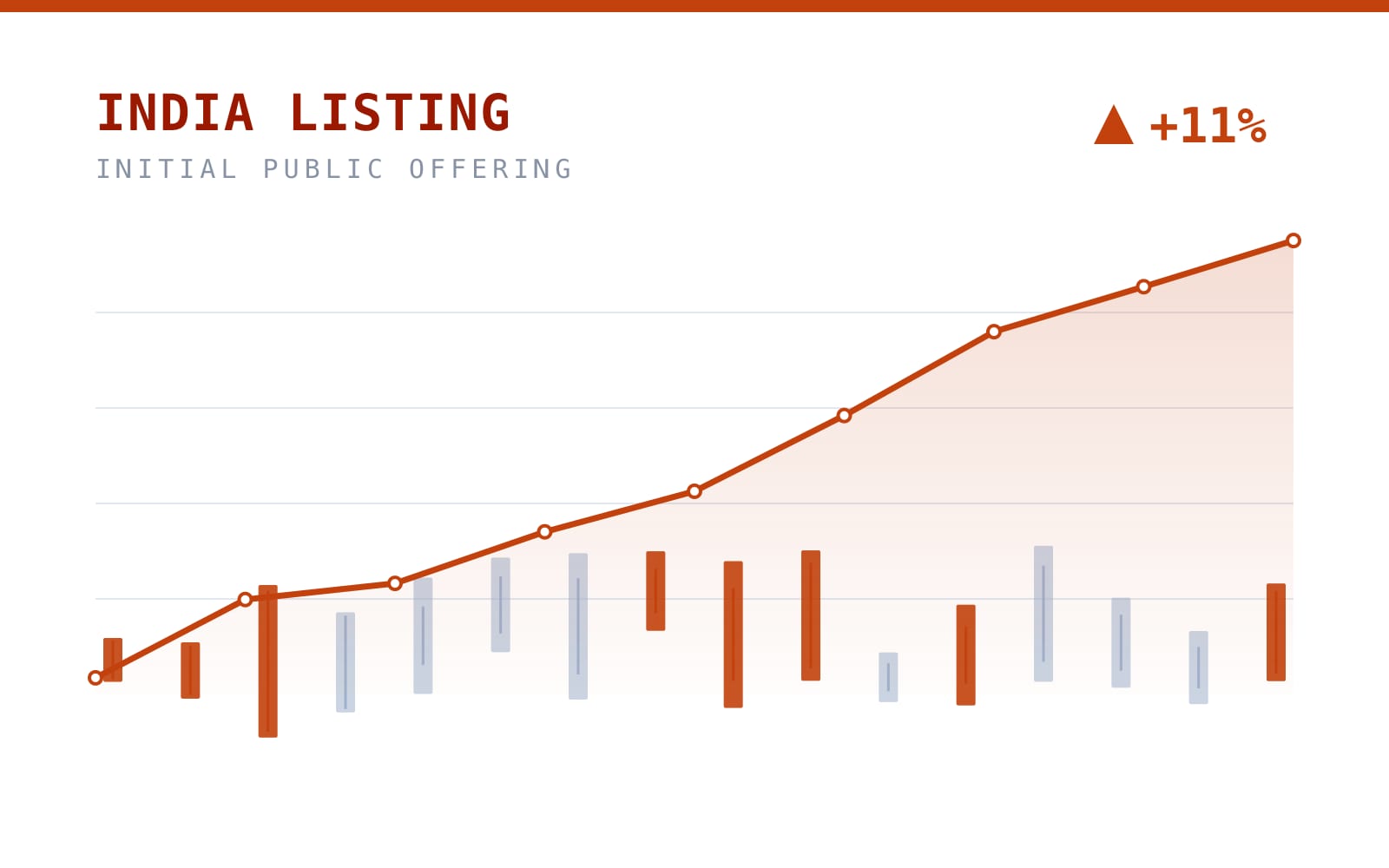
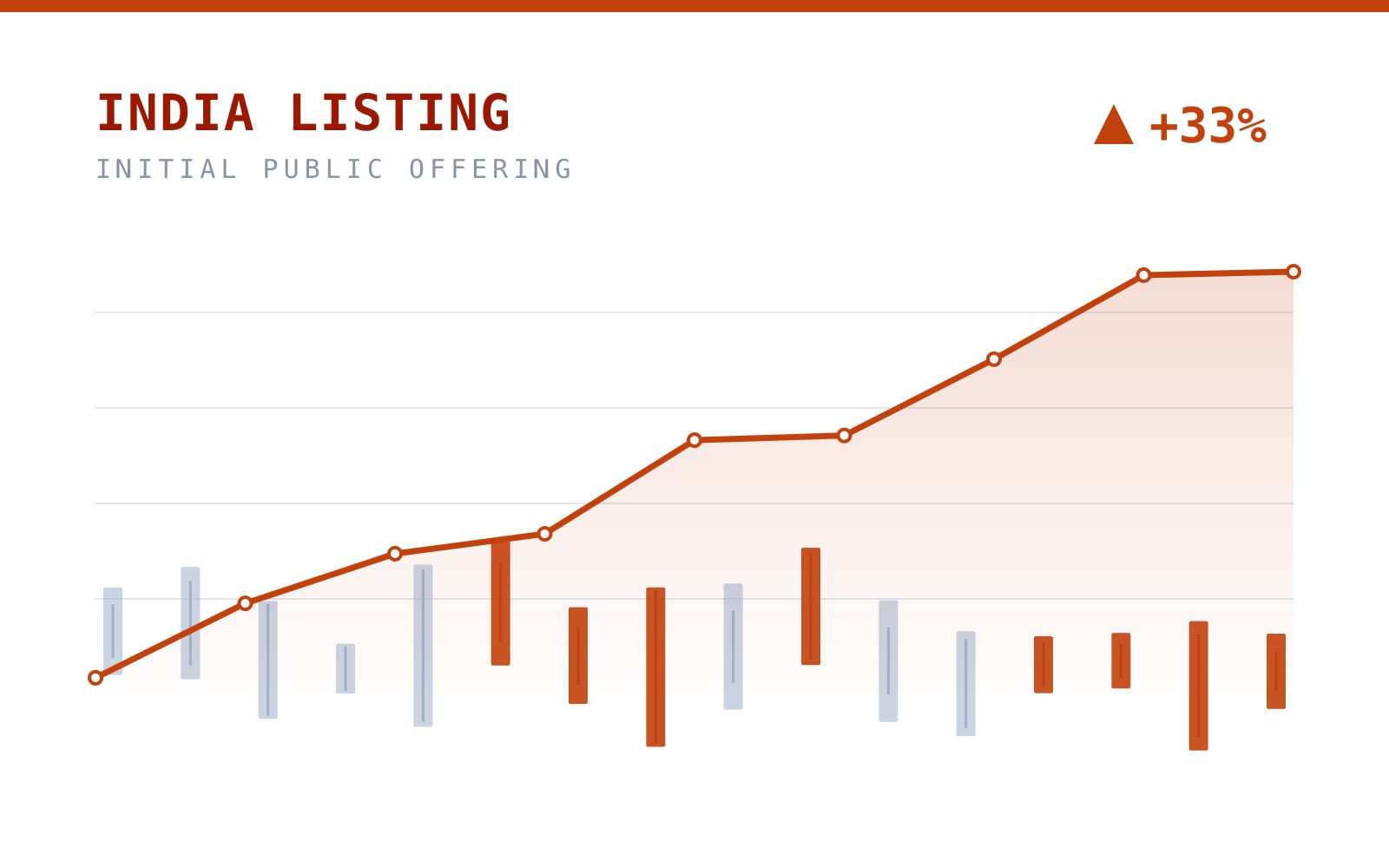
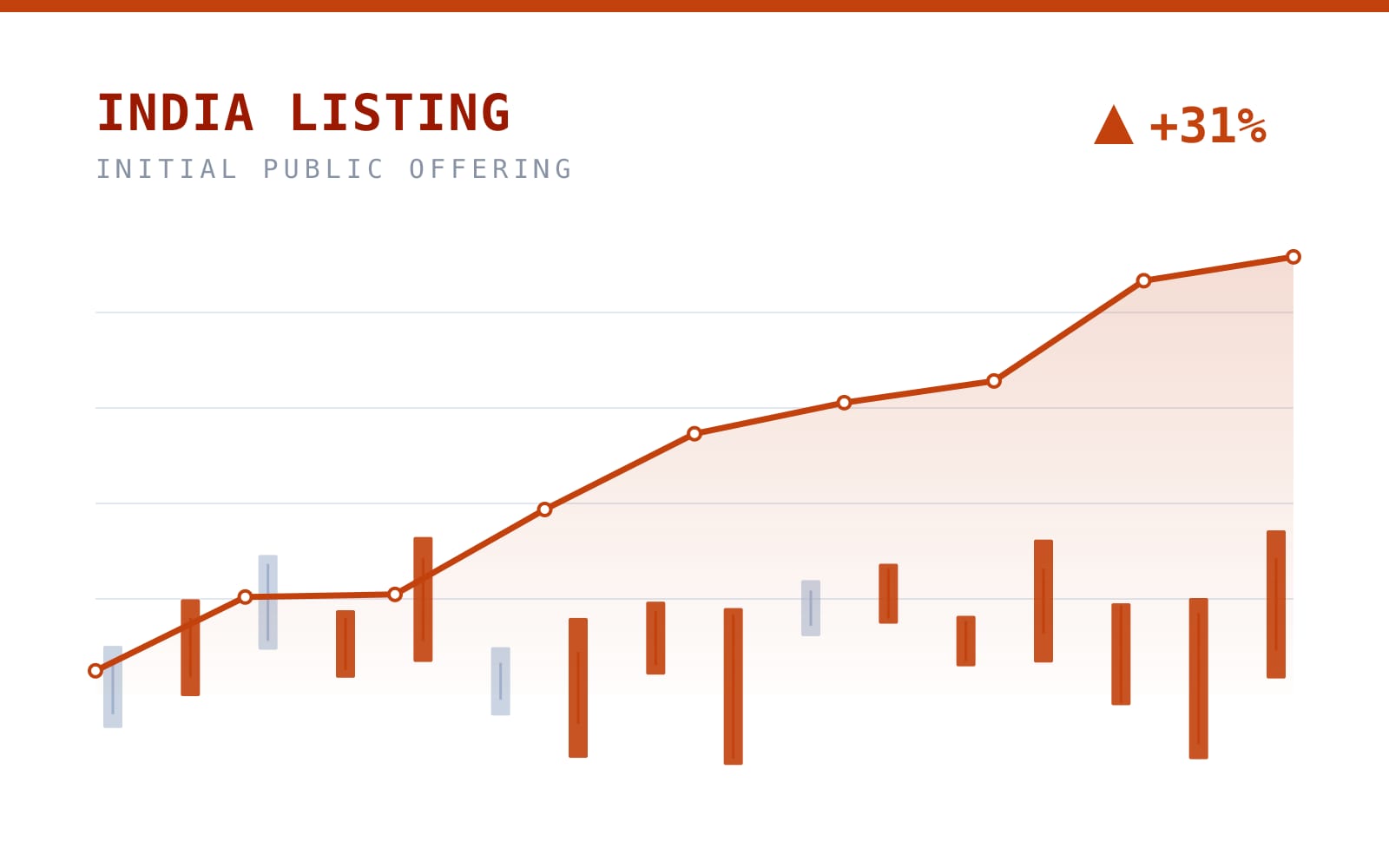
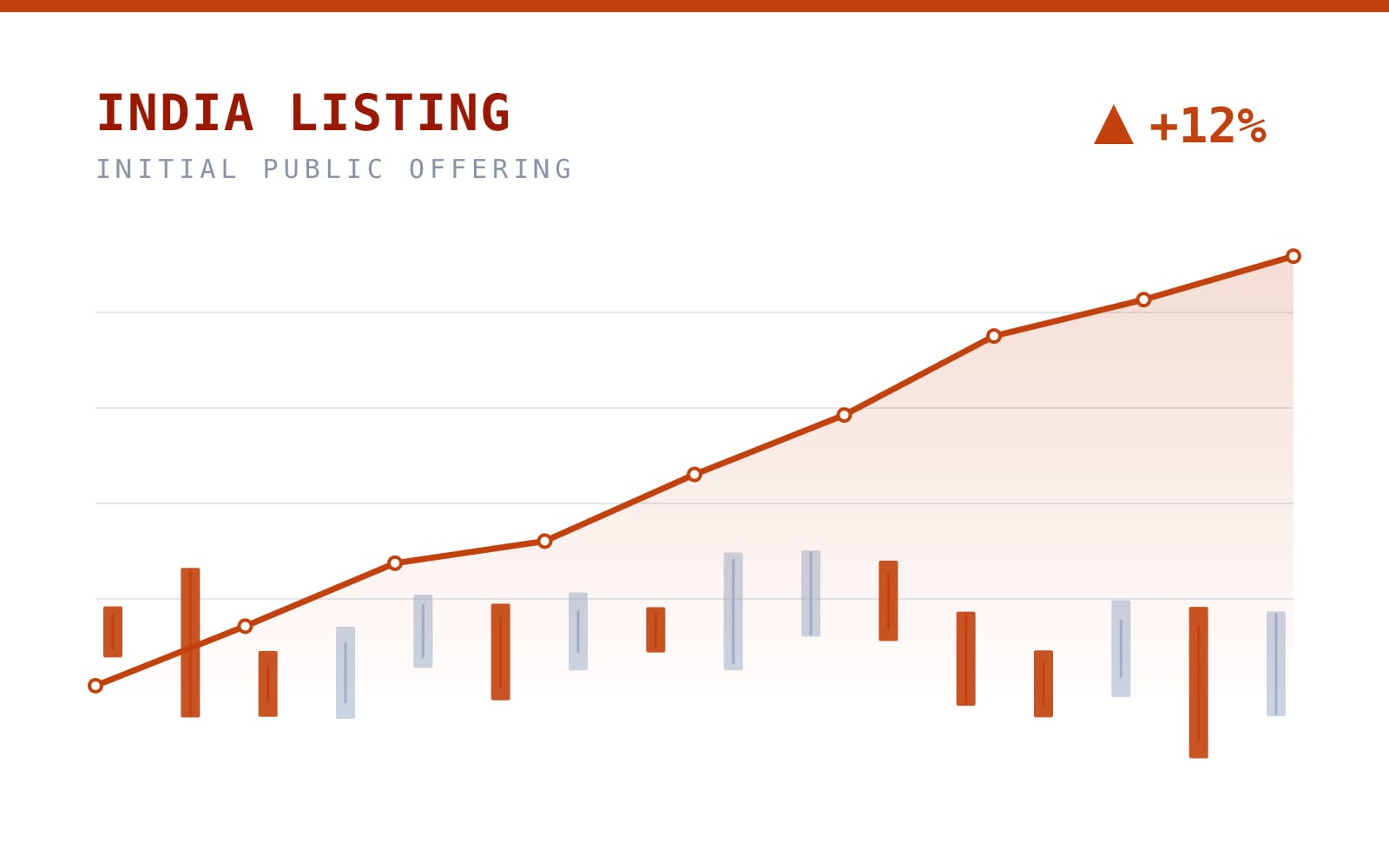
What stands out about Groww’s pricing is that it held firm. At its issue price the company was valued in the $7 billion to $8 billion range, and it closed its debut day near $9 billion as the stock jumped about 29% from the issue price, per TechCrunch. That sits at or above its last private mark. Groww was valued at roughly $3 billion in an October 2021 round and was reported to have raised at a valuation above $7 billion in a 2025 secondary round, according to search-engine summaries of CB Insights data, which means investors should treat the precise private figure as approximate.
That distinction is what separates Groww from much of the field. Several marquee Indian startups are now testing public markets at or below their peak private valuations rather than above them. The cleanest example is PhonePe, the Walmart-backed payments company, which filed for an IPO targeting a valuation between roughly $9 billion and $10.5 billion, a level that sits under the $12 billion it commanded in a 2023 private round, according to PYMNTS. Groww going public near its private mark, while peers reset lower, tells you investors are willing to reward demonstrated profitability rather than apply a blanket discount to the whole sector.
Why a broker, and why now
Groww’s business is straightforward in a way that helps it on listing day. It is India’s largest retail brokerage by active clients, with more than 12.6 million active accounts on the National Stock Exchange as of June 2025 and a total user base above 14 million, per TechCrunch. Industry estimates cited in pre-IPO coverage put its share of the retail broking market at around 26%, though that figure comes from brokerage research rather than the company directly and should be read as an estimate.
The timing is not an accident. India has added retail investors at a remarkable pace over the past five years, and a broker monetizes that participation directly through transaction and platform fees. Groww also carries a notable distinction: it is the first Indian Y Combinator company to go public, and it listed after relocating its holding structure from Delaware to India, a so-called reverse flip that several Indian startups have pursued ahead of domestic listings, per TechCrunch.
What it signals for the cohort behind it
Groww did not list in isolation. The 2025 calendar brought public debuts from a long line of new-age names, including Lenskart, Pine Labs, Urban Company, Meesho and PhysicsWallah, and 2026 has already added more, with the total market value of listed Indian new-age tech companies running above $143 billion, according to a tracker maintained by Inc42. Across that group, the common thread among the winners is profitability or a credible near-term path to it. Eternal, the parent of Zomato, reached adjusted EBITDA breakeven in food delivery, and Paytm reported profit for consecutive quarters in FY26 after exiting non-core lines, per Inc42’s coverage of the listed cohort.
The split in outcomes is instructive. Lenskart, which listed days before Groww, opened below its issue price and traded at a far richer earnings multiple, a reminder that the market is now pricing growth and profitability separately, per Business Standard. The lesson investors took from Groww is that a clean profit-and-loss statement buys a company the benefit of the doubt that a growth story alone no longer does.
The shift toward fundamentals
The broader story is a change in what gets rewarded. Indian public investors spent the first wave of tech listings learning what cash burn costs them, and they have repriced accordingly. The appetite is real, as Groww’s oversubscription shows, but it is conditional. This is not unique to India. The reopening of the US IPO market in 2026 has run on the same logic, with profitable or near-profitable issuers clearing while speculative names wait, and the same selectivity has shaped listings across the Gulf and Southeast Asia. Groww is the Indian version of that discipline, and its success makes the case that the country’s strongest consumer-tech franchises can now list on their own numbers rather than on a promise.
FAQ
How much did Groww raise in its IPO and at what valuation?
Groww raised close to ₹66.3 billion, roughly $748 million, in its November 2025 offering, and closed its first trading day with a market value of about ₹795 billion, near $9 billion, after the stock rose about 29% from its issue price, per TechCrunch.
Was Groww profitable before it went public?
Yes. The company reported a net profit of about ₹1,824 crore (around $206 million) in the financial year ended March 2025, reversing a loss of roughly ₹805 crore the previous year, on revenue near ₹39 billion, according to TechCrunch.
Did Groww list above or below its last private valuation?
Groww listed at or above its last private mark, debuting near $9 billion against a private valuation reported above $7 billion in 2025 and around $3 billion in 2021. That stands in contrast to PhonePe, which filed at a valuation below its 2023 private round, per PYMNTS. Treat the private figures as approximate.
Sources
- TechCrunch: Groww raises nearly $750M in IPO as India’s retail investing boom continues
- PYMNTS: India’s PhonePe aims for $10.5 billion valuation in IPO
- Inc42: Indian listed new-age tech company tracker
- Business Standard: Fidelity marks up Lenskart to $6.1 bn ahead of planned $10 bn IPO
- CB Insights: Groww company financials
Groww India IPO fintech retail investing new-age tech stock broking PhonePe tech IPO 2026