Cerebras Storms Public Markets, Testing Whether Anyone Can Challenge Nvidia
The wafer-scale chipmaker priced far above its range and nearly doubled on debut. The harder question is whether a non-Nvidia AI silicon company, long dependent on a single Abu Dhabi backer, can keep public investors.
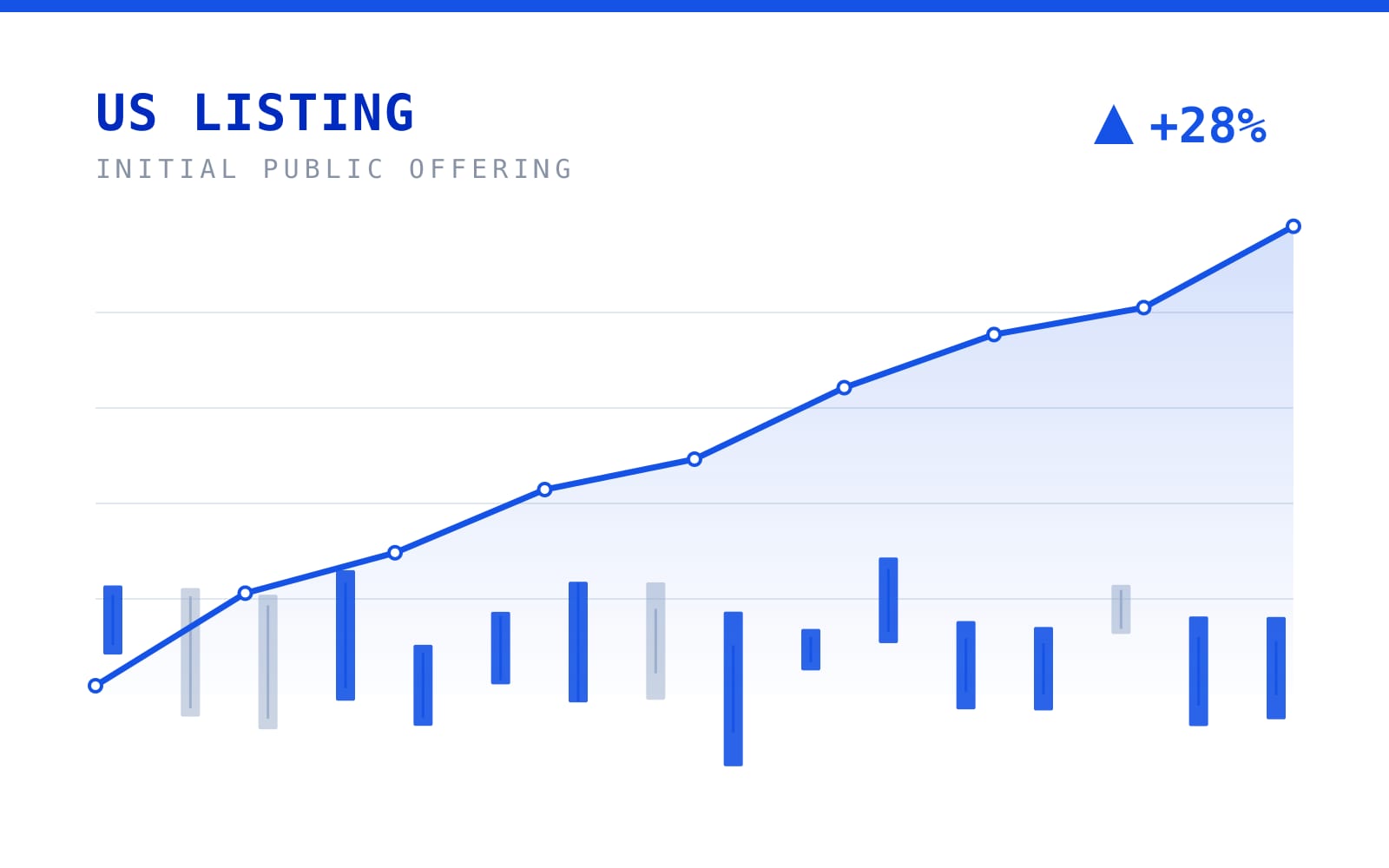
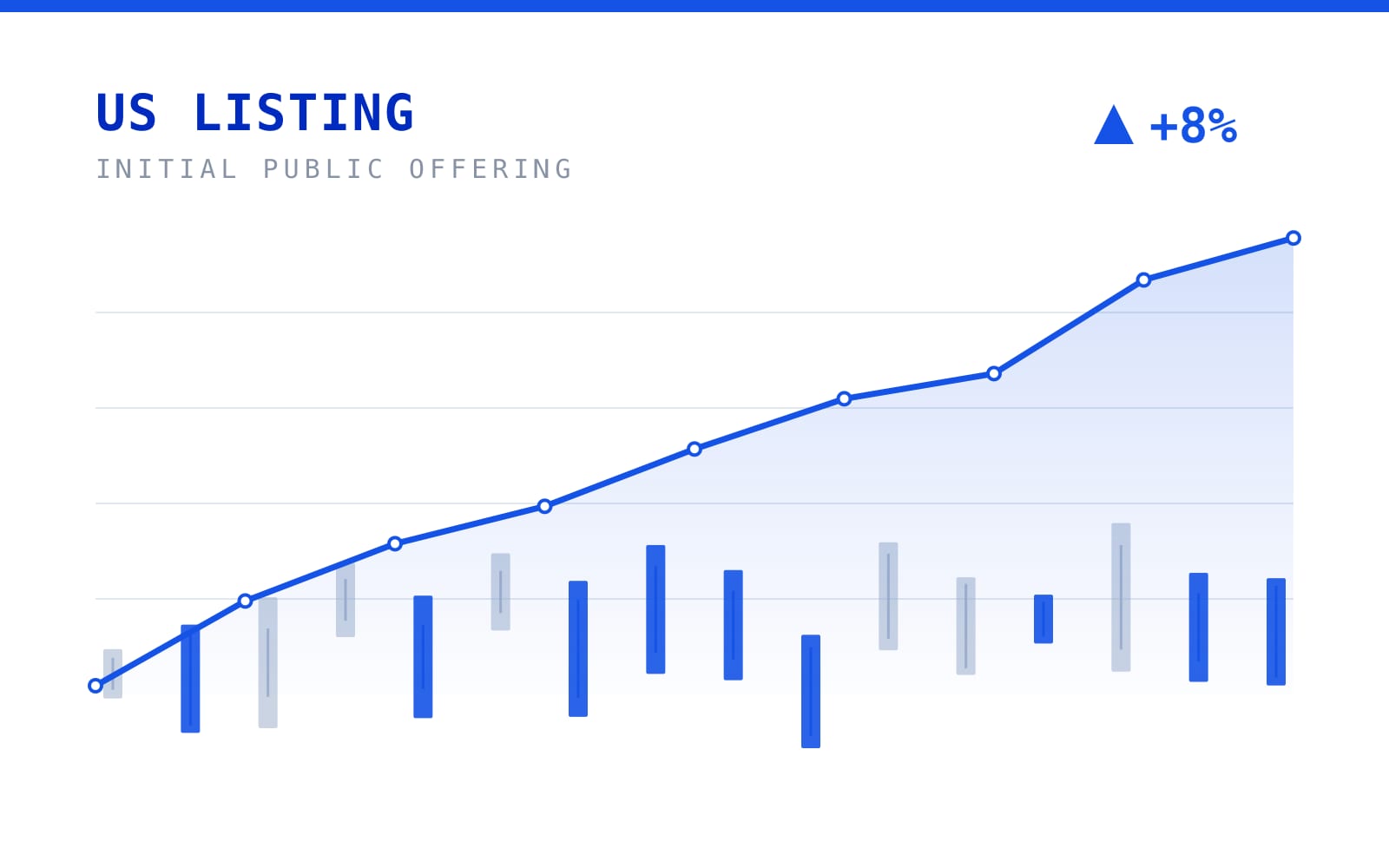
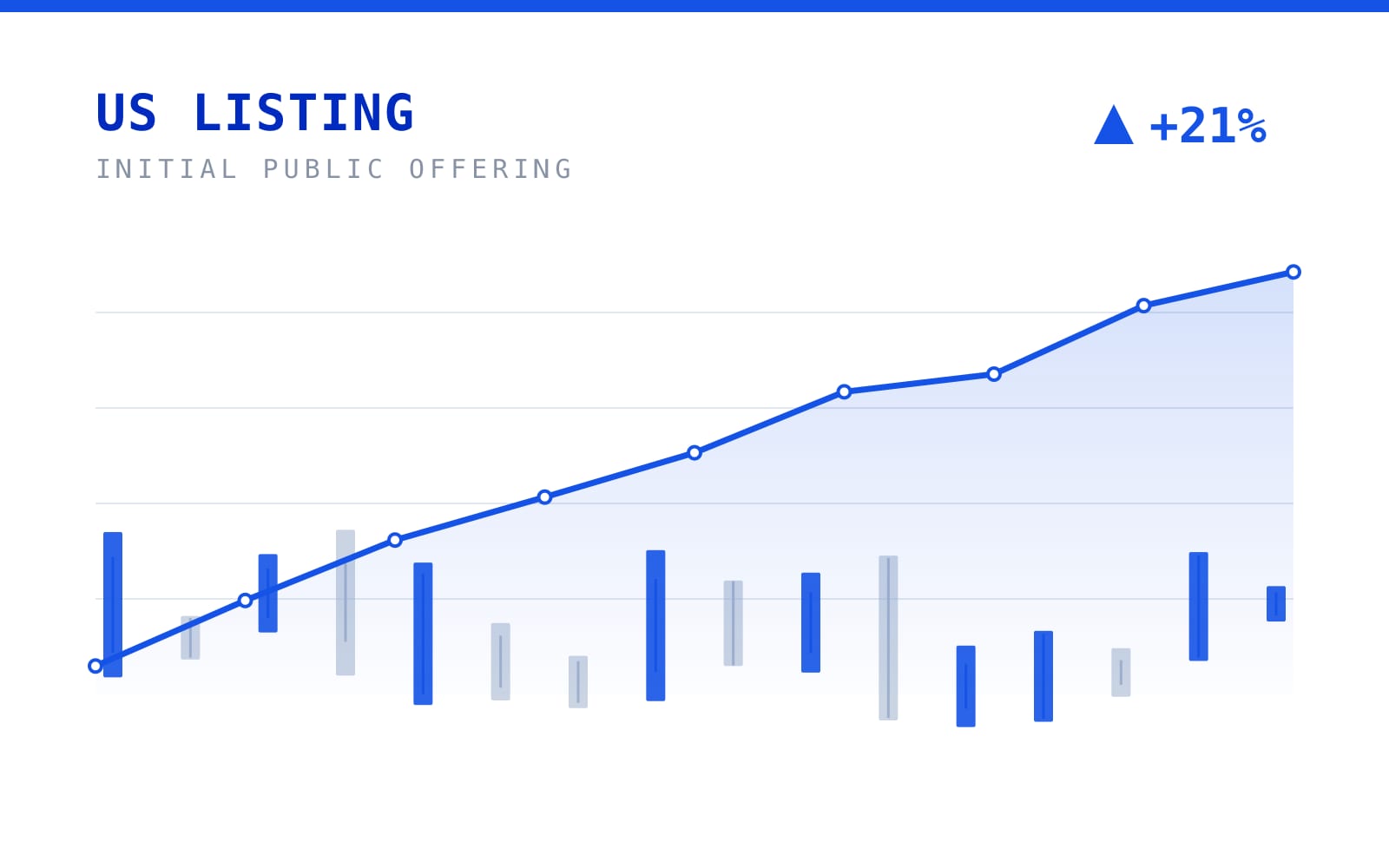
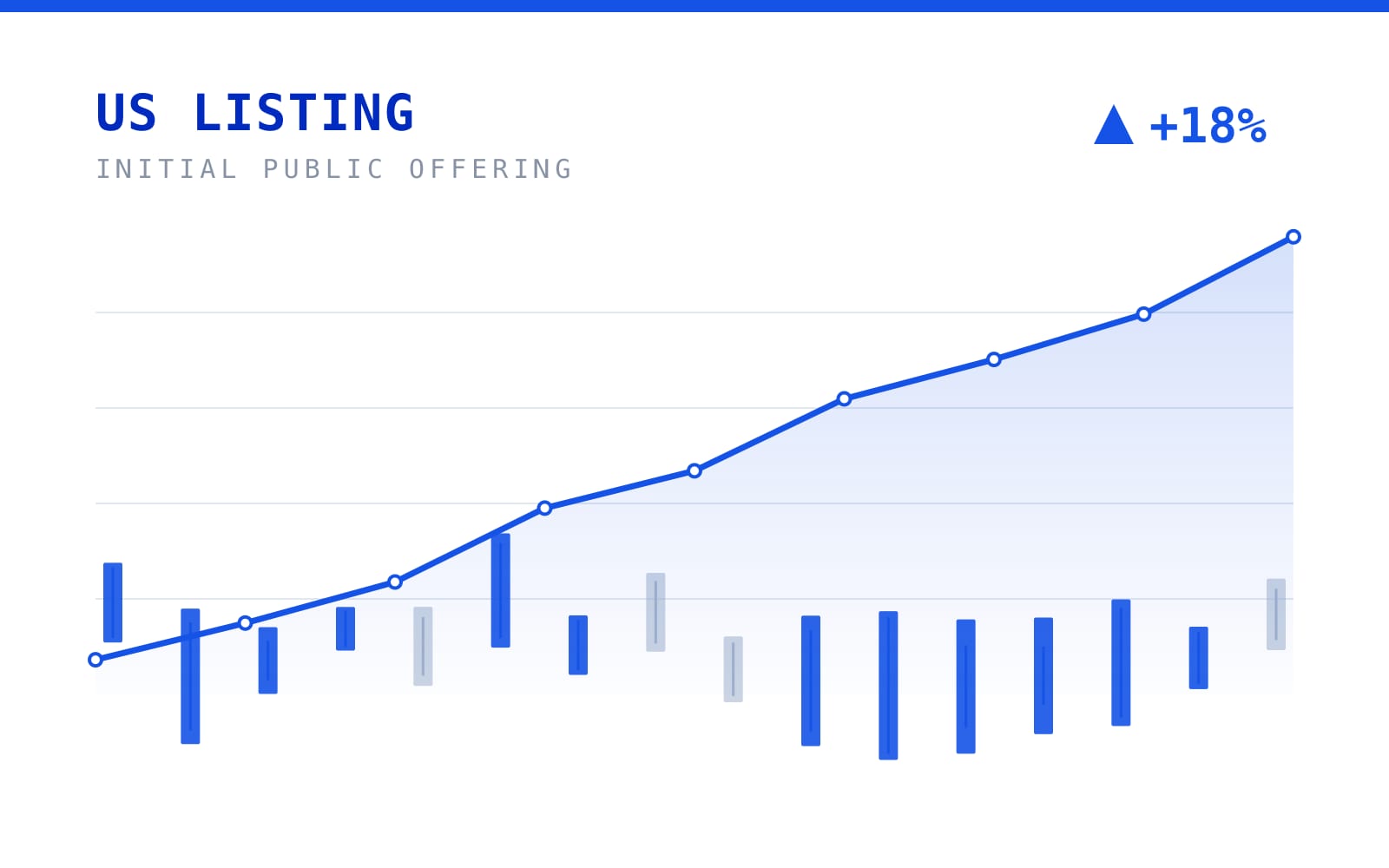
Cerebras Systems raised about $5.5 billion in its Nasdaq debut on May 14, 2026, pricing shares at $185, well above a marketed range that topped out at $160, before the stock opened at $385 and closed its first day at $311, a 108% gain that valued the AI chipmaker near $66 billion, according to TechCrunch. The listing, under the ticker CBRS, ended a saga that began with a 2024 filing, ran into a national-security review, and was withdrawn before being revived. It also reopened the oldest question in AI hardware: can any company build a durable public business selling silicon that is not made by Nvidia.
A different kind of chip
Cerebras did not try to beat Nvidia at its own game. Instead of stitching together thousands of graphics processors, the company builds the Wafer-Scale Engine, a single chip the size of a dinner plate carved from an entire silicon wafer. The pitch is that keeping an enormous model on one piece of silicon removes the networking bottlenecks that slow large clusters, which the company argues makes it especially fast at inference, the step where a trained model answers queries.
That thesis now has paying customers behind it. Cerebras reported revenue of $510 million in 2025, up 76% from $290.3 million in 2024, and roughly 20 times its 2022 revenue of $24.6 million, per an S-1 breakdown by Mostly Metrics. Growth at that pace is rare outside the handful of names driving the broader reopening of the US IPO market in 2026.
The G42 problem
The number that has followed Cerebras since its first filing is its dependence on one buyer. In the original 2024 S-1, the company disclosed that G42, the Abu Dhabi AI conglomerate that is also a Cerebras investor, accounted for about 87% of revenue in the first half of 2024 and 83% of 2023 revenue, figures reported from that filing and echoed in S-1 analysis. For a chip company, leaning that hard on a single account is a structural fragility, not a footnote.
The 2026 filing shows the picture has broadened but not cleared. G42 fell to about 24% of 2025 revenue, but Mohamed bin Zayed University of Artificial Intelligence, another Abu Dhabi entity, made up 62%, meaning roughly 86% of 2025 sales still came from two related parties in one emirate, according to figures in the S-1 summarized by Mostly Metrics. Concentration risk among Gulf AI buyers has shadowed several listings tied to the region.
Why Washington stepped in
That same Abu Dhabi relationship is what delayed the deal. After Cerebras filed in September 2024, the Committee on Foreign Investment in the United States opened a review of G42’s minority stake, with officials reported to be weighing whether Gulf intermediaries could become an indirect channel for advanced American AI technology to reach China. The review dragged into 2025, and Cerebras withdrew its registration that October, Tech Startups reported.
The company later said it had cleared CFIUS and raised about $1.1 billion privately at an $8.1 billion valuation before reviving the listing, per Tech Startups. Notably, G42 no longer appears on the investor list in the new filing, a change the company has not fully explained. National-security screening of AI silicon is not unique to Cerebras, and it has shaped how regulators and investors approach China-linked AI chip listings.
The OpenAI rewrite
What changed the story most was a new anchor customer. Cerebras disclosed a multi-year agreement with OpenAI valued at more than $20 billion, covering an initial 750 megawatts of compute with options to expand toward 2 gigawatts, alongside a warrant for 33.4 million shares, according to the S-1 summary. A binding term sheet with Amazon Web Services, reported in March 2026, would place Cerebras systems inside AWS data centers, though a definitive agreement is still being negotiated.
Those deals shift the marketing center of gravity from a single Gulf backer to two American technology giants. They do not erase the concentration math, since OpenAI is itself a single large customer, but they give public investors a growth narrative that does not begin and end in Abu Dhabi. The push by major AI labs toward their own listings is reshaping demand for compute across the board, a dynamic visible in the reported IPO filings from Anthropic and OpenAI.
The profit asterisk
Cerebras posted GAAP net income of $237.8 million for 2025, a headline that looks like a clean swing to profitability. The S-1 detail complicates it. That figure includes a one-time $363.3 million gain on a forward contract, and on an adjusted basis the company recorded an operating loss of roughly $146 million and an adjusted loss near $76 million, per Mostly Metrics. In other words, the underlying business was still spending more than it earned in 2025.
At the $185 IPO price, Cerebras carried a fully diluted valuation around $56 billion, TechCrunch reported, a steep multiple on half a billion dollars of revenue. Whether that holds depends on execution against the OpenAI and AWS contracts and on diversifying past the Gulf accounts. Investors who watched volatile mega-debuts this cycle know that a first-day pop says little about the second year.
FAQ
Did Cerebras actually clear its CFIUS review?
The company stated it received CFIUS clearance before reviving the IPO and raising about $1.1 billion privately, per Tech Startups. G42 no longer appears as an investor in the new filing, a change the company has not fully detailed.
How concentrated is Cerebras revenue?
Highly. Roughly 86% of 2025 revenue came from two related Abu Dhabi entities, with MBZUAI at about 62% and G42 at about 24%, based on S-1 figures summarized by Mostly Metrics.
Is Cerebras profitable?
Its reported 2025 net income of $237.8 million was driven by a one-time $363.3 million forward-contract gain. Excluding that, the company ran an operating loss of about $146 million, per Mostly Metrics.
Sources
- Cerebras raises $5.5B, then stock pops 108%, in the first huge tech IPO of 2026 (TechCrunch)
- Cerebras IPO S-1 Breakdown: Financials, Risks, Valuation (Mostly Metrics)
- AI chipmaker Cerebras revives IPO plans after $1.1B raise and CFIUS clearance (Tech Startups)
- Cerebras prices IPO above expected range (CNBC)
- Cerebras stock slides after near-70% surge in biggest IPO of 2026 (Yahoo Finance)
Cerebras IPO AI chips Nvidia G42 CFIUS semiconductors OpenAI US markets